

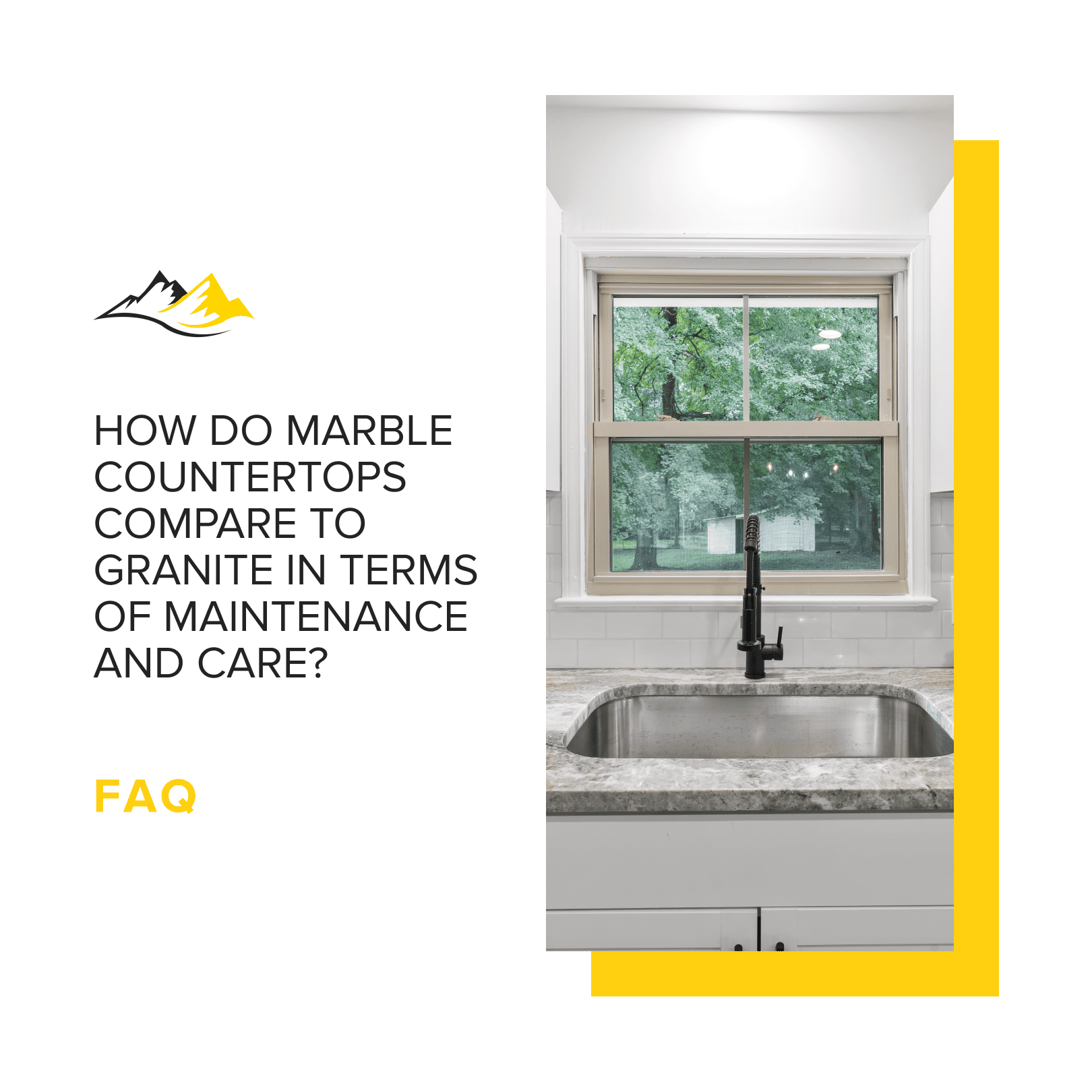
Choosing the right countertop material is one of the most significant decisions in a home renovation. While marble and granite both offer timeless beauty and durability, they differ in their maintenance requirements and long-term care. Homeowners considering marble countertops in Scottsboro, AL often wonder how they compare to granite in terms of upkeep.
At Granite Empire of Huntsville, we understand that selecting a countertop material is about more than just aesthetics. Factors such as stain resistance, sealing needs, durability, and daily maintenance play a crucial role in determining which material best suits a home. This article provides an in-depth look at how marble countertops compare to granite, allowing homeowners to make informed decisions based on their lifestyle and maintenance preferences.
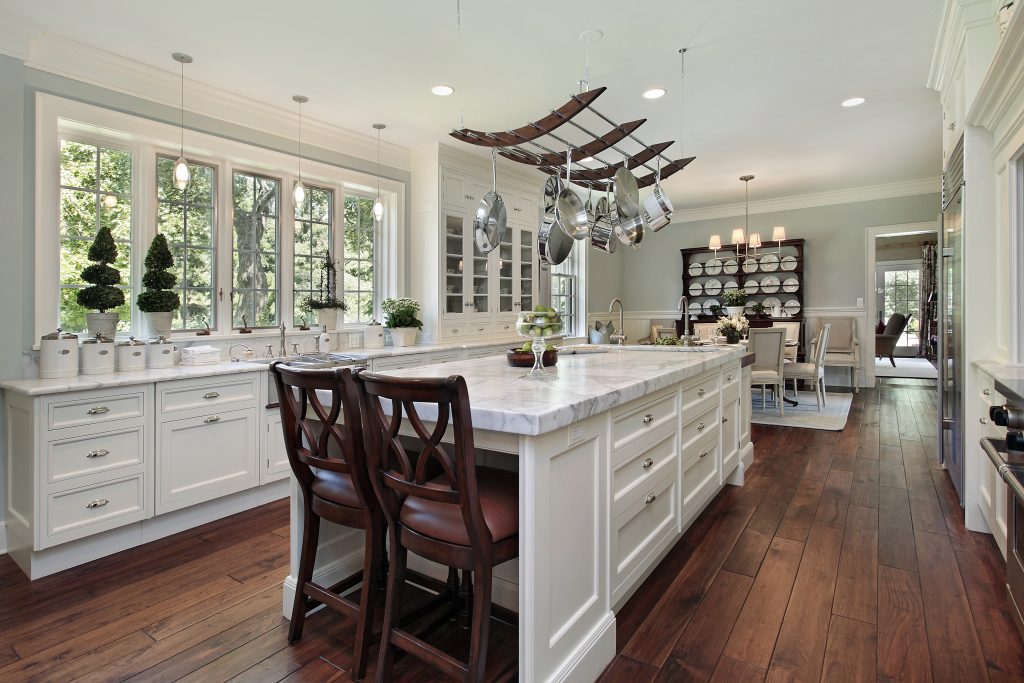
1. Understanding the Fundamental Differences Between Marble and Granite
Both marble and granite are natural stones, but their composition makes them behave differently when exposed to everyday use.
Marble: A Softer, More Porous Stone
Marble is a metamorphic rock, formed from limestone that has undergone heat and pressure over time. This process creates the distinctive veining and patterns that make marble so desirable. However, marble is softer and more porous than granite, making it more susceptible to scratches, stains, and etching.
Granite: A Harder, More Durable Stone
Granite is an igneous rock, composed primarily of quartz, feldspar, and mica. It is significantly harder than marble, making it more resistant to scratches and chipping. Granite is also less porous, meaning it does not absorb liquids as easily as marble.
For homeowners looking for marble countertops in Scottsboro, AL, it is important to understand that while marble offers unparalleled beauty, it requires more careful maintenance than granite.
2. Sealing Requirements: Does Marble Need More Attention?
One of the most important aspects of caring for marble and granite countertops is sealing.
Marble Sealing Requirements
- Marble is a highly porous stone, meaning it absorbs liquids and stains easily.
- Sealing is required more frequently, typically every 3 to 6 months, depending on the level of use.
- Even when sealed, marble remains susceptible to etching (a reaction with acidic substances like lemon juice, vinegar, and wine).
Granite Sealing Requirements
- Granite is less porous than marble, so it does not absorb liquids as quickly.
- Sealing is required once a year, or even less frequently for certain types of granite.
- When properly sealed, granite resists stains and requires minimal effort to maintain.
For homeowners who do not want to worry about frequent sealing and potential damage from everyday kitchen spills, granite is the more practical option. However, for those committed to preserving the beauty of marble countertops in Scottsboro, AL, regular sealing will help maintain their appearance.
3. Stain Resistance: How Well Do Marble and Granite Handle Spills?
Marble: More Prone to Staining
Due to its porous nature, marble is more vulnerable to staining. Common household substances like coffee, wine, tomato sauce, and even water can leave marks if not wiped up immediately. While sealing helps reduce absorption, it does not eliminate the risk of stains.
Granite: More Stain-Resistant
Granite is naturally resistant to stains, particularly when sealed. It can handle spills much better than marble, making it a better choice for high-traffic kitchens.
Preventing Stains on Marble
For homeowners in Scottsboro, AL, who love the elegance of marble countertops, the following precautions can help prevent staining:
- Clean spills immediately to avoid absorption.
- Use coasters and trivets to protect the surface from moisture and heat.
- Apply a high-quality sealant regularly to provide an extra layer of protection.
4. Scratch and Etching Resistance
Marble: Softer and More Susceptible to Scratches
Marble is a softer stone, making it more prone to scratches and surface damage. Knives, heavy cookware, and abrasive cleaning pads can cause visible marks.
Additionally, acidic substances react with the calcium in marble, causing a process called etching—a dull, cloudy spot that cannot be wiped away easily. Even common bathroom products like toothpaste and shampoo can cause etching if left on the surface for too long.
Granite: More Durable and Scratch-Resistant
Granite is one of the hardest natural materials, making it highly resistant to scratches, chips, and etching. It can withstand heavy use without showing wear, making it a better choice for families with young children or busy kitchens.
How to Prevent Scratches on Marble Countertops
For those committed to installing marble countertops in Scottsboro, AL, here are a few ways to protect the surface:
- Use cutting boards instead of cutting directly on the countertop.
- Avoid dragging heavy cookware across the surface.
- Choose a honed finish, which helps disguise minor scratches and etching better than a polished finish.
5. Cleaning and Daily Maintenance
Marble Cleaning Requirements
- Use a pH-neutral cleaner specifically designed for marble.
- Avoid vinegar, bleach, and ammonia, as they can break down the stone.
- Wipe up spills immediately to prevent stains or etching.
- Dust and clean surfaces daily to maintain their shine.
Granite Cleaning Requirements
- Clean with mild dish soap and warm water or a granite-safe cleaner.
- Avoid harsh chemicals, but granite is more forgiving than marble.
- Wipe up spills, but they are less likely to cause permanent damage.
- Requires less daily maintenance compared to marble.
For homeowners who want low-maintenance countertops, granite is the easier option. However, those who appreciate the timeless beauty of marble should be prepared for more attentive care.
6. Aging and Long-Term Appearance
Marble: Develops a Natural Patina Over Time
Over the years, marble develops a patina, a soft sheen that many homeowners find appealing. Some appreciate this “lived-in” look, while others prefer a pristine, polished surface.
Granite: Maintains Its Look for Decades
Granite retains its original finish for years, especially when properly sealed and maintained. Unlike marble, it does not develop patina or age as visibly.
Resurfacing and Restoration
- Marble can be refinished to remove scratches and etching, but this requires professional restoration.
- Granite rarely needs resurfacing, making it easier to maintain in the long run.

Why Choose Granite Empire of Huntsville?
When choosing between granite or marble countertops in Scottsboro, AL, working with a trusted fabricator and installer is essential. At Granite Empire of Huntsville, we offer:
- A Wide Selection of High-Quality Stone – We provide homeowners with premium marble and granite options in various styles and colors.
- Precision Fabrication and Installation – Our expert team ensures a perfect fit and professional installation.
- Sealing and Maintenance Guidance – We help homeowners understand how to properly care for their countertops.
- Competitive Pricing – We offer the best value for high-end countertops in Scottsboro, AL.
- Exceptional Customer Service – From selection to installation, we assist homeowners every step of the way.
Final Thoughts: Which Countertop Is Right for You?
For those who appreciate the elegance of natural stone, both marble and granite offer distinct benefits. If low maintenance and durability are a priority, granite is the better choice. However, if luxury and timeless beauty are what you seek, marble countertops in Scottsboro, AL, can be an exquisite addition to your home.
At Granite Empire of Huntsville, we are here to help homeowners in Scottsboro, AL, find the perfect countertop solution. Contact us today to explore our collection and discover the best stone for your space.
