


At Granite Empire of Huntsville, one of the most common questions we get from homeowners considering marble is about how it reacts to everyday kitchen use — especially when it comes to acidic substances like lemons, vinegar, tomatoes, and red wine. And we get it. Marble looks elegant, but when it’s installed in a high-traffic area like the kitchen, people want to know how durable it really is.
If you’re thinking about marble kitchen countertops in Albertville, AL, and wondering whether they can handle citrus slices, a splash of white wine, or the occasional tomato sauce spill — we’re here to give you the honest truth, based on years of firsthand experience.
Marble is a classic choice, no doubt. But it’s important to understand how it behaves so you can protect your investment and make an informed decision.
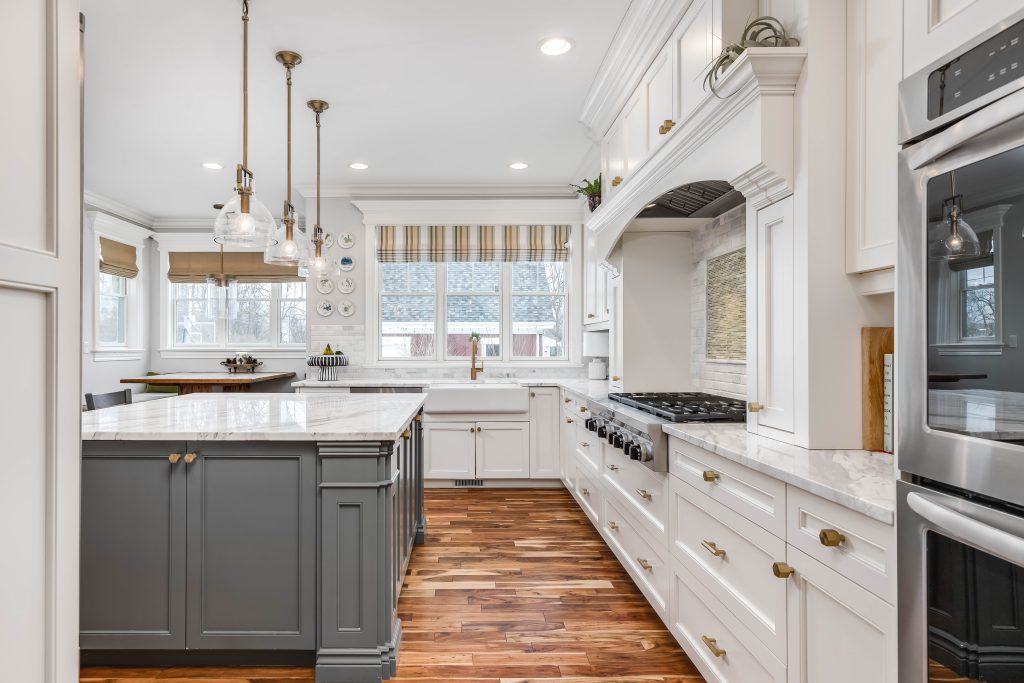
Marble Is Calcium-Based — and That Makes It Sensitive
Let’s start with what makes marble different. Unlike granite or quartzite, marble is made primarily of calcium carbonate — the same material found in limestone and chalk. That mineral makeup gives marble its soft, luxurious appearance, but it also makes it more reactive to acids.
So when acidic substances come into contact with marble, a chemical reaction occurs. That reaction is called etching — and it’s different from staining.
While a stain changes the color of the marble by soaking into the pores, etching affects the finish of the stone. It creates a dull, matte spot where the acid has eaten into the surface, even if the color remains unchanged.
That means if you’re prepping food directly on your marble kitchen countertops in Albertville, AL, and lemon juice splashes across the surface or a drop of balsamic vinegar is left sitting for too long, you could see a visible mark even after cleaning it up.
What Etching Looks Like
Most etching isn’t dramatic — but it is noticeable, especially under overhead lighting or when you view the surface at an angle. It usually appears as:
- Dull, cloudy spots or rings
- Light discoloration
- A loss of shine in isolated areas
It’s most common in high-use zones like around the sink, prep space, or bar area — anywhere acidic ingredients are used often. We’ve seen it on marble kitchen countertops in Albertville, AL within just weeks of install, especially if the stone wasn’t sealed properly or maintained consistently.
And while etching doesn’t damage the integrity of the marble, it does affect the appearance — and for some homeowners, that’s a dealbreaker.
Can Etching Be Fixed?
The good news: yes, etching can often be fixed. But not with regular household cleaners.
For light etching, a professional polishing compound may restore the shine. For deeper etches, resurfacing or re-honing the marble may be needed. This is usually done by a stone restoration technician with diamond polishing pads and the proper tools.
At Granite Empire of Huntsville, we’ve helped clients in Albertville restore etched surfaces, but the process can be time-consuming and costly depending on the severity. That’s why we always recommend prevention first.
Sealing Helps — But It’s Not a Cure
A common misconception is that sealing marble will protect it from acid damage. Unfortunately, that’s not the case.
Sealers help with staining by making the stone less absorbent — so oil, wine, and sauces don’t soak in as easily. But etching is a chemical reaction, not an absorption issue. Sealers won’t stop acid from dulling the finish.
So even sealed marble kitchen countertops in Albertville, AL can etch if acidic liquids sit on the surface too long.
That doesn’t mean sealing isn’t important — it absolutely is. We seal every marble installation and teach our customers how to reseal as needed. But sealing is just one part of a bigger care routine.
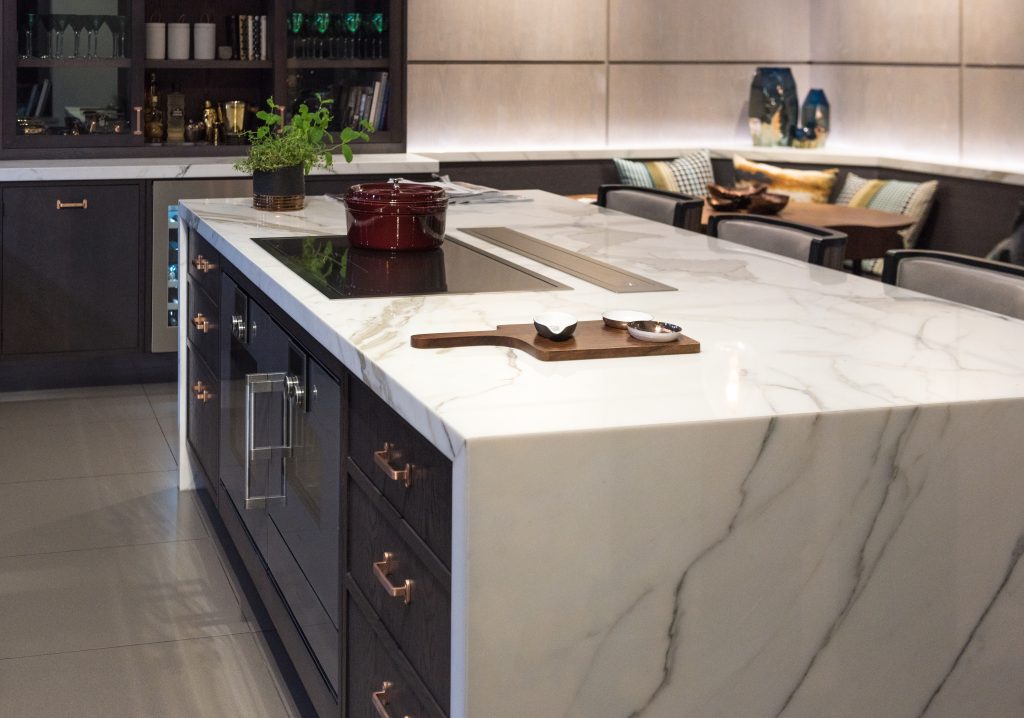
How to Protect Marble in a Real Kitchen
If you love the look of marble and want it in your kitchen, there are smart ways to protect it. Many of our clients in Albertville choose marble knowing it needs a little more attention, but with the right habits, it’s totally manageable.
Here’s what we recommend:
Use cutting boards and coasters – Never cut citrus or other acidic foods directly on the countertop. Always use a cutting board, and keep coasters under glasses, especially with wine, soda, or juice.
Clean spills immediately – The faster you wipe up an acidic liquid, the less time it has to etch the stone. Keep a soft cloth or paper towel nearby for fast cleanups.
Avoid harsh cleaners – Don’t use vinegar-based sprays or abrasive products. A pH-neutral stone cleaner is your best bet.
Consider a honed finish – Polished marble shows etching more clearly. A honed finish (matte look) can help disguise etch marks and give your kitchen a softer, lived-in feel.
Reseal regularly – While sealers don’t stop etching, they do prevent stains and make cleaning easier. We recommend resealing every 6–12 months, depending on use.
We walk all our clients through these care tips when we install marble kitchen countertops in Albertville, AL. With the right care, marble can stay beautiful for decades.
Is Marble Worth It in a Kitchen?
This is the big question. And the answer depends on your lifestyle and expectations.
If you want a perfect, flawless surface with zero effort — marble probably isn’t the best fit. You may want to look into quartz alternatives that mimic marble’s look with less maintenance.
But if you appreciate the character and patina that comes with natural stone, and you’re willing to take care of it, marble can be a stunning choice.
We’ve installed marble kitchen countertops in both high-end show homes and everyday family kitchens in Albertville. Some of our clients even like the way marble develops subtle marks over time — it adds personality and tells the story of the space.
Alternatives That Offer the Same Look
If you love the Taj Mahal or Carrara marble aesthetic but are hesitant about maintenance, we can help you explore quartz options. At Granite Empire of Huntsville, we carry a wide selection of quartz countertops that capture the soft veining and clean tones of marble without the acid sensitivity.
These engineered surfaces are non-porous, stain resistant, and won’t etch from citrus or wine. They’re an excellent option for busy households that want style without the stress.
We’ve helped many customers in Albertville weigh their options between real marble and marble-look quartz — and we’re happy to walk you through the pros and cons of each.
Why Homeowners in Albertville Trust Us
Although we’re based in Huntsville, we’ve worked with countless homeowners installing marble kitchen countertops in Albertville, AL. Our process is built around education, transparency, and helping you make the best decision for your home — not just selling a slab.
When you work with Granite Empire of Huntsville, you get:
- Expert design guidance
- Access to premium marble slabs and quartz alternatives
- Precise, professional installation
- Long-term care support and resealing services
We know what works — and what doesn’t — in real kitchens. And we’re here to make sure your new countertops look amazing and hold up the way you expect them to.
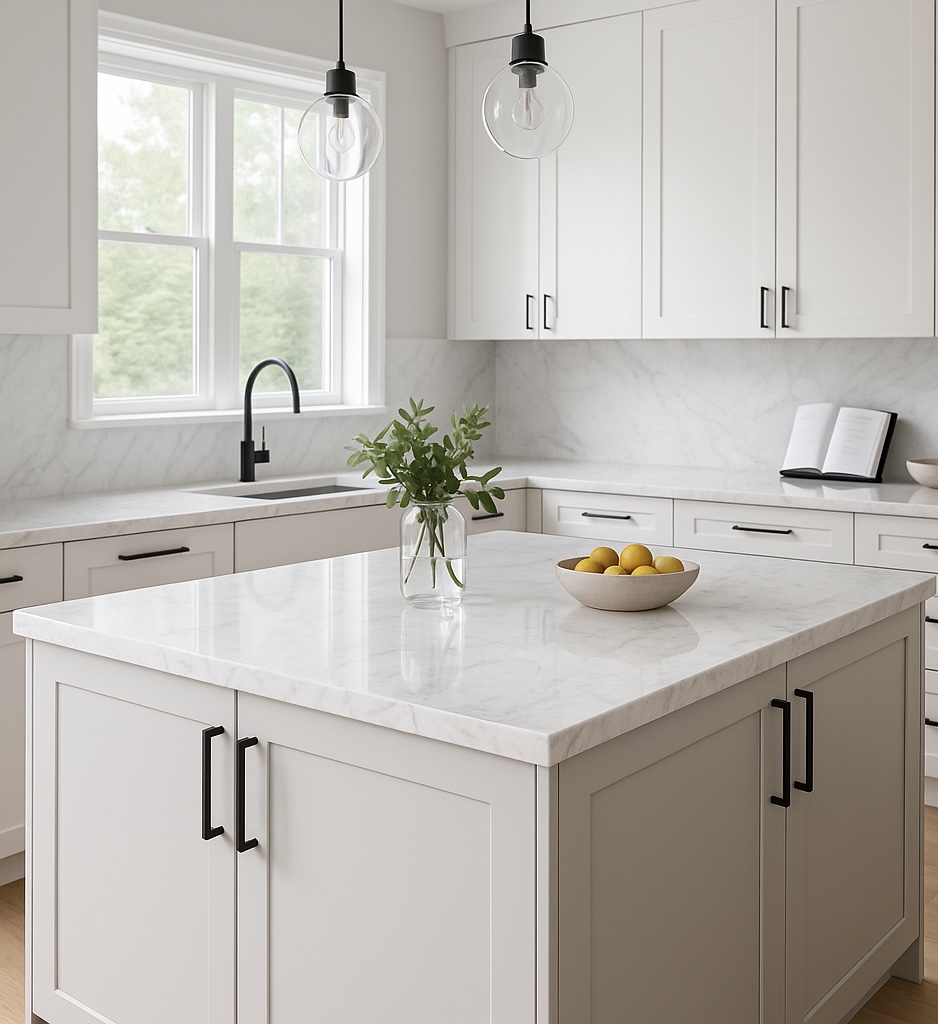
Marble can absolutely be used in a kitchen — even with acidic foods like lemons and wine in the mix. But it does require care and awareness. If you’re willing to treat it like the natural stone it is, marble can reward you with timeless beauty that gets better with age.
If you’re considering marble kitchen countertops in Albertville, AL, come talk to us at Granite Empire of Huntsville. We’ll show you real-life examples, walk you through how marble holds up over time, and help you find the perfect balance between beauty and function.
We’re just a call away – ready to help you design a kitchen that fits your lifestyle and your style.