

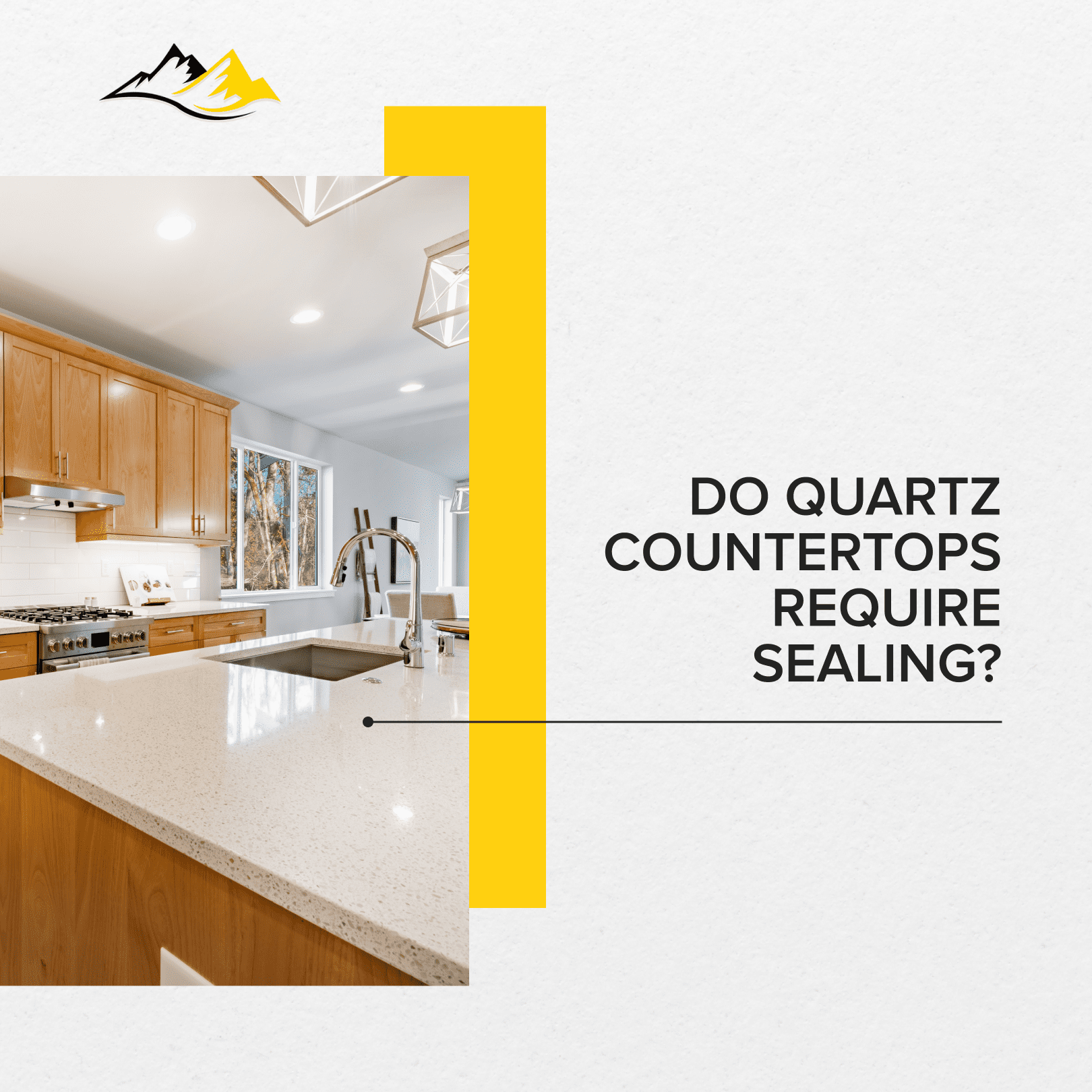
When it comes to choosing the ideal countertop for your kitchen, quartz stands out as one of the most popular choices. Its durability, low maintenance, and range of aesthetic options make it highly attractive for homeowners. But one question often comes up: Do quartz kitchen countertops in Athens, AL require sealing? Understanding the maintenance needs of quartz can help homeowners make informed choices that align with their lifestyle and personal style preferences.
At Granite Empire of Huntsville, we understand that homeowners in Athens, AL, want countertops that are both functional and easy to maintain. In this article, we’ll explore why quartz countertops don’t require sealing, how they compare to other materials in terms of maintenance, and why quartz might be the perfect choice for you.
Understanding Quartz Countertops
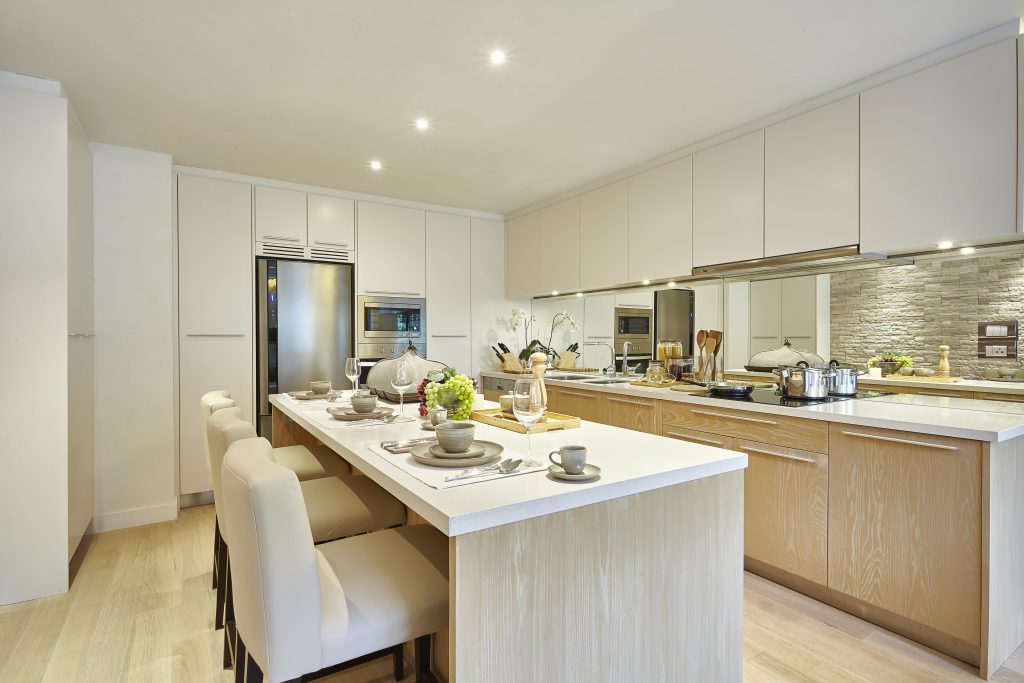
Quartz is an engineered stone composed of roughly 90-95% natural quartz crystals, combined with resins, polymers, and pigments to create a non-porous surface. This composition gives quartz its unique properties, including its durability, uniform appearance, and resistance to stains.
Unlike natural stones such as granite or marble, quartz does not have the tiny pores that allow liquids to seep in, which makes it inherently stain-resistant and easy to clean. This non-porous nature is one of the reasons why quartz kitchen countertops in Athens, AL do not require sealing, as the resin binds the particles together, creating a surface that is already well-protected.
Why Does Non-Porosity Matter?
In porous materials like granite or marble, tiny holes or pores exist in the stone, which allows liquids to penetrate and potentially stain the material. Sealing these types of stones fills those pores temporarily, making it harder for liquids to absorb into the surface. However, because quartz is non-porous by design, it inherently resists staining and doesn’t need an additional sealant to protect it.
Granite Empire of Huntsville is proud to offer a wide range of quartz kitchen countertops in Athens, AL, perfect for homeowners who want beautiful, resilient surfaces that require minimal maintenance.

Why Quartz Doesn’t Require Sealing
The resins used in the production of quartz act as a built-in sealant, preventing the need for additional sealing treatments. This built-in protection is a significant advantage for homeowners looking for a low-maintenance countertop solution.
1. Built-In Stain Resistance
Quartz countertops are non-porous, which means they naturally resist stains from common kitchen substances like wine, coffee, oil, and juice. The resins and polymers used in the manufacturing process form a dense, solid surface that does not allow liquids to penetrate, which is why sealing is unnecessary.
2. No Need for Regular Resealing
While granite and marble countertops typically require resealing every 6-12 months to maintain their resistance to stains, quartz remains protected without this additional step. For homeowners looking for a truly low-maintenance option, quartz kitchen countertops in Athens, AL are ideal since they save both time and money on upkeep.
At Granite Empire of Huntsville, our clients appreciate the convenience of quartz, especially for busy kitchens where maintenance needs to be minimal.
Comparing Quartz to Other Stone Countertops
To understand why quartz doesn’t require sealing, it helps to compare it to other popular countertop materials like granite and marble, which do need periodic sealing due to their porous nature.
Granite: Beautiful but Requires Maintenance
Granite is a natural stone with unique patterns and colors, which makes it highly desirable for those who appreciate the beauty of natural materials. However, granite is porous, meaning that it can absorb liquids, leading to potential stains and bacteria buildup if not properly sealed.
- Sealing Needs: Granite must be sealed regularly, often every 6-12 months, depending on the type of granite and how heavily it’s used. This sealing helps to fill in the pores and protect the surface from stains and damage.
- Impact on Personal Style: For homeowners who prefer a more hands-off approach to maintenance, granite may not be ideal. However, those who enjoy a natural, unique look may still find granite worth the extra upkeep.
Marble: Luxurious but High Maintenance
Marble is another natural stone prized for its beauty, especially its elegant veining patterns. However, like granite, marble is highly porous and susceptible to staining, scratching, and etching, especially from acidic substances.
- Sealing Needs: Marble requires regular sealing, sometimes more frequently than granite, as it is even more porous. Even with sealing, it is more sensitive to acidic substances like vinegar or citrus juice, which can cause etching.
- Style vs. Practicality: Marble appeals to those with a preference for classic, luxurious aesthetics, but it may not be practical for homeowners who want a countertop that’s easy to maintain.
With quartz, homeowners can enjoy the best of both worlds: a stunning, consistent appearance with the added benefit of low maintenance. Granite Empire of Huntsville offers quartz kitchen countertops in Athens, AL that meet the needs of homeowners looking for beauty without the hassle.
The Benefits of Low-Maintenance Quartz Countertops
Quartz countertops are ideal for those who want to enjoy a beautiful kitchen without the worry of regular upkeep. Here are some of the reasons why quartz’s low-maintenance nature makes it an attractive choice:
1. Easy to Clean
Quartz countertops are incredibly easy to clean. Thanks to their non-porous nature, they resist bacterial growth, making them a hygienic choice for kitchens. For routine cleaning, all that’s needed is mild dish soap and water, followed by a soft cloth to wipe down the surface.
- No Special Cleaners Needed: Harsh chemicals are unnecessary, and in fact, should be avoided to maintain the sheen and integrity of the countertop surface.
- Quick Maintenance: Daily upkeep takes only a few minutes, making quartz ideal for busy families or anyone who prefers not to spend much time on countertop care.
2. Resistant to Stains and Spills
Because quartz is non-porous, it doesn’t absorb spills, so stains are less of a concern. This resistance to stains is a huge advantage, especially in kitchens where accidental spills are common.
- Stain Resistance: Quartz resists staining from substances that commonly stain other materials, such as wine, coffee, oil, and juice. This stain resistance contributes to quartz’s lasting beauty and helps it retain its original appearance over time.
- Long-Lasting Protection: Homeowners investing in quartz kitchen countertops in Athens, AL can enjoy years of pristine countertops without worrying about stains marring the surface.
3. Durability for Daily Use
Quartz countertops are incredibly durable, making them ideal for high-traffic kitchens. The combination of natural quartz and resin makes the material harder and more resilient than many other countertop options.
- Scratch and Chip Resistance: Quartz is resistant to scratches and chips, which is ideal for busy kitchens where utensils, pots, and other items come into contact with the countertop surface regularly.
- Long-Term Investment: For homeowners in Athens, AL, who want countertops that stand up to the demands of daily life, quartz offers an excellent return on investment, as it requires little maintenance over its lifetime.
Granite Empire of Huntsville proudly provides quartz kitchen countertops in Athens, AL that combine beauty with exceptional durability, making them perfect for active households.
Debunking Myths about Quartz Maintenance
Some myths about quartz countertops suggest that they need special care or sealing. However, these myths are often based on misunderstandings. Here are a few common misconceptions about quartz countertops:
Myth 1: Quartz Needs to be Sealed
As discussed, quartz is inherently non-porous and does not require sealing. This feature sets quartz apart from materials like granite and marble, which need regular sealing to remain resistant to stains and moisture.
Myth 2: Quartz Can’t Handle Heat
While quartz is heat-resistant, it’s not entirely heatproof. Placing hot pots and pans directly on the surface can cause damage. However, this is not unique to quartz, as all countertops can benefit from using trivets or hot pads to prevent thermal shock.
Myth 3: Quartz is Prone to Fading
Quartz countertops are highly resilient, but prolonged exposure to direct sunlight can cause slight discoloration over time. It’s best to protect quartz from extended UV exposure, which can be managed by placing blinds or shades on nearby windows.
Granite Empire of Huntsville is here to address these myths and help homeowners make informed choices about quartz kitchen countertops in Athens, AL that suit their lifestyle and aesthetic preferences.
Conclusion: Quartz Countertops Offer Beauty and Practicality
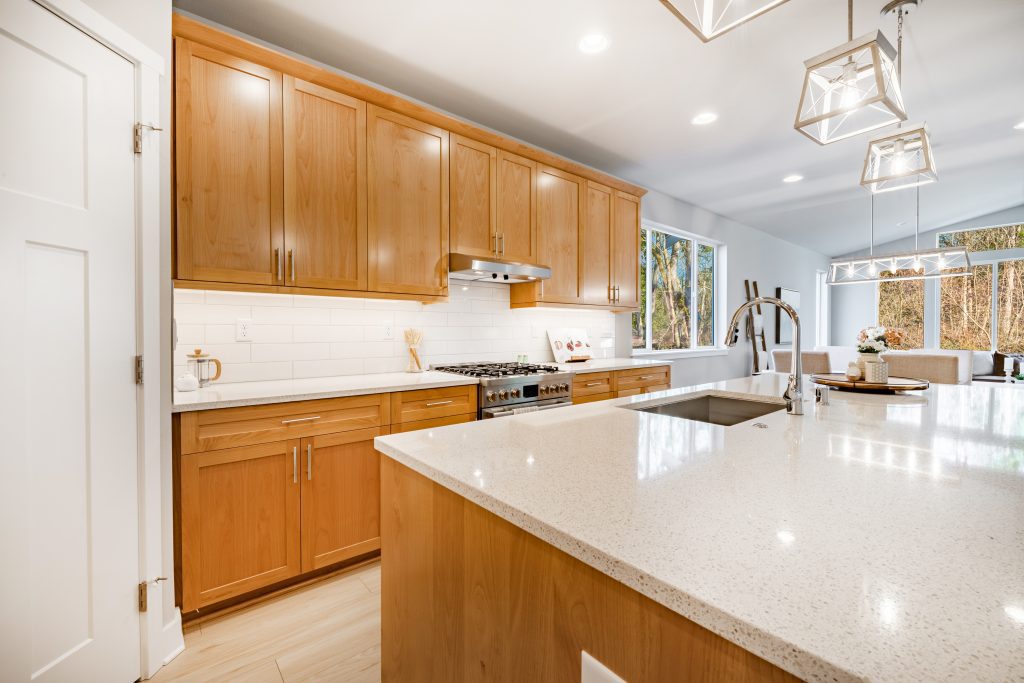
For homeowners seeking low-maintenance, resilient, and beautiful countertops, quartz is a top choice. Its non-porous nature eliminates the need for sealing, making it an attractive option for those who want durable, easy-to-clean surfaces. By choosing quartz kitchen countertops in Athens, AL, homeowners can enjoy a stylish and functional kitchen without the hassle of regular maintenance.
Granite Empire of Huntsville offers a wide selection of quartz countertops tailored to meet the diverse needs and personal styles of homeowners in Athens, AL. If you’re ready to explore quartz countertops that combine elegance and practicality, contact Granite Empire of Huntsville today. Let us help you find the perfect countertop solution that enhances your kitchen while fitting seamlessly into your lifestyle.